
Injectable Fillers
Restore volume and refine your contours with hyaluronic acid fillers at North Hills Center for Dermatology. Our expert injectors tailor every treatment to your unique goals.

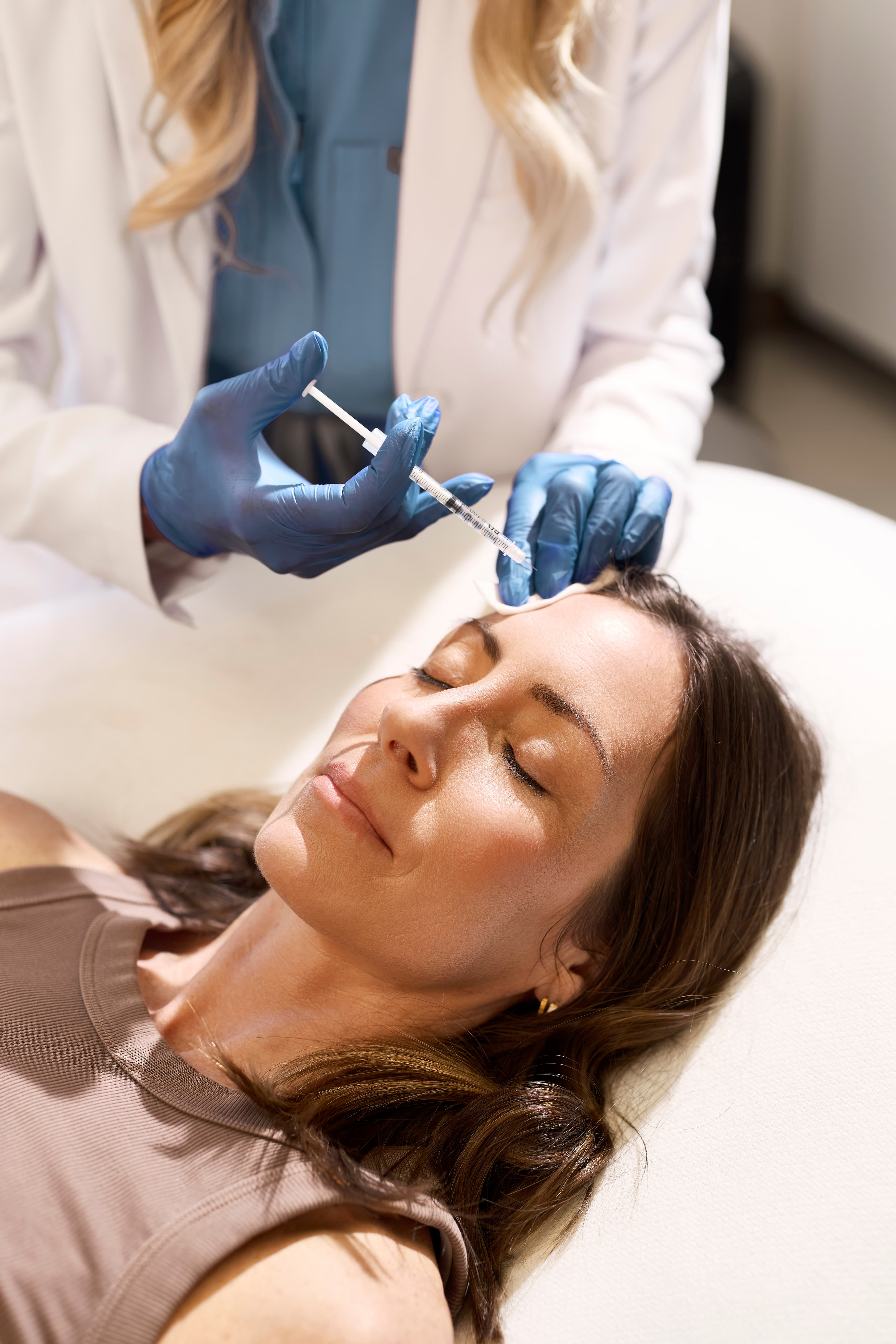
Restore volume and refine your contours with hyaluronic acid fillers at North Hills Center for Dermatology. Our expert injectors tailor every treatment to your unique goals.
What are Injectable Fillers?
Welcome to North Hills Center for Dermatology, your premier destination for aesthetic enhancement with a comprehensive collection of Allergan Juvéderm® and Galderma Restylane® dermal fillers. Our range of fillers caters to diverse facial areas, ensuring a tailored approach to individual patient treatment plans and preferences. Whether you're looking to address age-related volume loss in your temples, cheeks, and lower face, or simply aiming to refine your jawline or enhance your lips, our dermal fillers are designed to create a more youthful and contoured appearance. Our dermal fillers consist of a clear gel containing hyaluronic acid (HA) infused with lidocaine for enhanced comfort during and after injection. Hyaluronic acid, a naturally occurring substance in the skin, helps maintain hydration. The results of our fillers typically last between six months to over two years, depending on the filler type, injected amount, and treatment area.
We proudly offer a variety of brands at our practice locations, including Juvéderm by Allergan, Restylane Collection, and Sculptra® for Collagen Renewal.
If you're ready to revitalize your appearance, schedule your appointment for injectable fillers with North Hills Center for Dermatology today. Our experienced injectors provide complimentary consultations to guide you through the Juvéderm® and Restylane® Collections, ensuring you achieve the rejuvenation you desire.
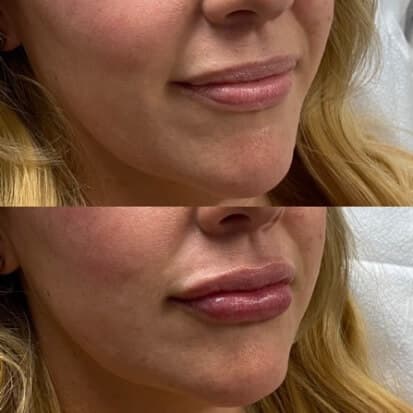
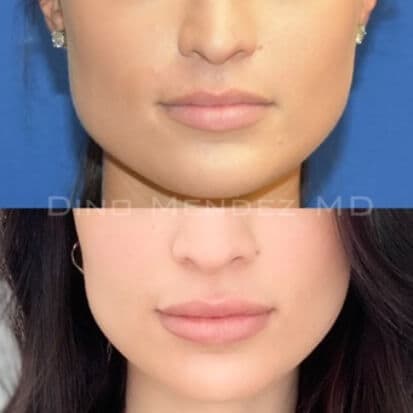
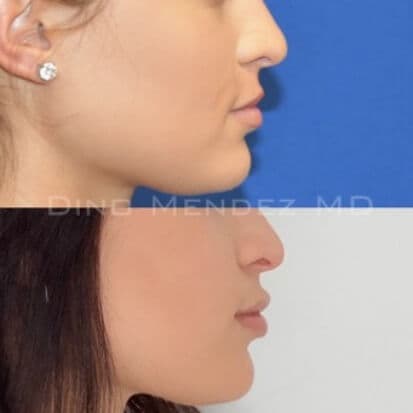

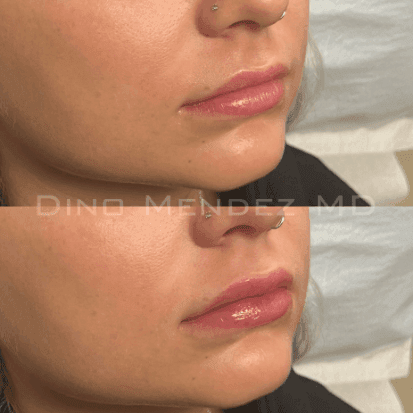
Benefits of Injectable Fillers
Our cosmetic injectables provide a non-surgical way to restore volume, smooth lines, and refine facial features — from injectable fillers for the jawline and chin to injectable fillers for dark circles or smile lines. Using FDA-approved injectable dermal fillers, our expert team delivers safe, customized treatments with subtle, long-lasting results. Key benefits of injectable fillers include:
Non-surgical solution for facial rejuvenation and contouring.
Immediate improvements in volume, shape, and skin texture.
Minimally invasive with little to no downtime.
Natural-looking enhancements for lips, cheeks, jawline, and chin.
Youthful appearance restored without surgery.
Long-lasting effects with tailored treatment plans.
Customized treatments designed for your facial structure and goals.
Collagen stimulation with certain fillers like Sculptra®.
Safe and FDA-approved procedures performed by board-certified dermatologists.
Common Side Effects of Injectable Fillers
While injectable fillers are generally safe and minimally invasive, it’s normal to experience some temporary side effects following treatment. Most reactions are mild and resolve within a few days, but understanding what to expect can help you feel confident and prepared. Proper aftercare and guidance from board-certified dermatologists at Tru-Skin Dermatology minimizes risks and ensures the best results.
Possible side effects may include:
Temporary swelling at the injection site.
Mild bruising or discoloration.
Redness or tenderness around treated areas
Lumpiness or uneven texture, usually correctable with gentle massage or adjustments.
Itching or mild rash in some cases.
Extremely rare allergic reactions.
Migration or shifting of fillers, which may require professional adjustment.
What to Expect at Your Injectable Fillers Appointment
Your injectable filler appointment at North Hills Center for Dermatology is personalized, efficient, and designed for natural-looking results. It begins with a consultation to discuss your aesthetic goals, concerns, and target areas. Based on this, your provider creates a customized treatment plan tailored to your facial anatomy.
Before injections, the treatment area is cleansed, and a topical anesthetic may be applied for comfort. The injections themselves are precise and quick, with most patients experiencing only mild discomfort.
Injectable Fillers Maintenance Recommendations
Maintaining the results of your injectable fillers involves a combination of conscientious aftercare and periodic follow-up appointments. After your initial treatment, it's important to follow any specific aftercare instructions provided by your provider.
Regular Follow-Up Appointments: Schedule periodic follow-up appointments with your provider to assess the longevity of results and determine if touch-up treatments are needed.
Sun Protection: Protect your skin from UV damage by applying sunscreen regularly, especially to treated areas, to maintain the quality of your skin.
Healthy Lifestyle: Adopt a healthy lifestyle, including a balanced diet, regular exercise, and adequate hydration, to support overall skin health and the longevity of filler results.
Avoiding Extreme Temperatures: Refrain from exposing treated areas to extreme temperatures, such as intense heat or cold, to minimize the risk of complications.
Gentle Skincare: Use mild skincare products and avoid harsh exfoliants in the treated areas to prevent irritation and maintain the integrity of the skin.
Communication with Provider: Communicate openly with your provider about any changes or concerns, ensuring prompt guidance and adjustments to the treatment plan if needed.
Injectable Fillers FAQs

How North Hills Center for Dermatology Can Help
Consulting with one of our dermatologists, or skin care experts, is highly recommended. Our team can develop a suitable treatment plan based on your aesthetic skin care goals. Through an effective skin consultation, we'll start you on a healthy, glowing skin care journey.


